
They say history doesn’t talk about quitters… and truthfully so.

Budapest is essentially my favorite European city, with it’s quaint charm and raunchy underground vibe, the juxtaposition of which appeals to my being. Having said much about how nostalgia and memory make it to a memorable framework of preserving history, I found that the Hungarian State Opera House was a testament to the very same.




As a 19th century monument, which opened on 27th September 1884 by Emperor and King Franz Joseph, it is of a limestone exterior that glints gold in the twilight. With Alajos Stróbl‘s marble sphinxes, I found myself observing many exteriors before plunging into the insides.
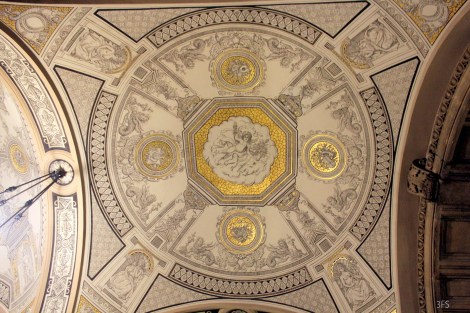


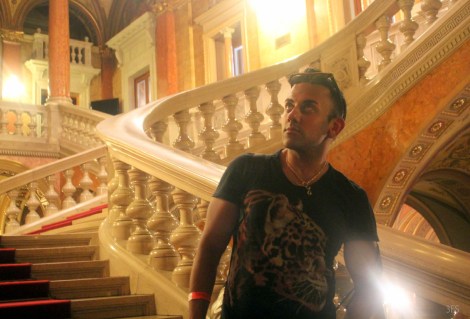
The inside was essentially all marble, with histories behind every marble sculpture and painting. My favorite element was the staircase – a weakness! – in the main foyer, decked with red carpeting leading to different awnings of the massive sculpture, flanked by Mór Than’s paintings.


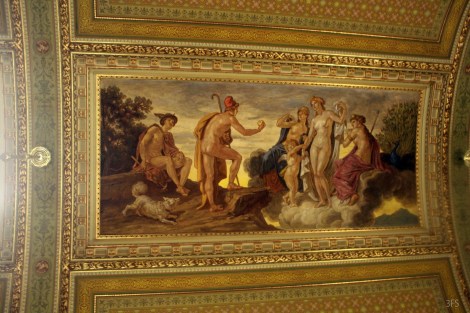


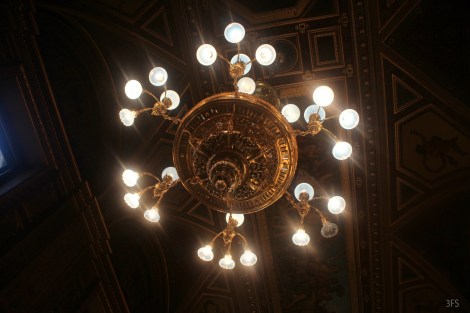


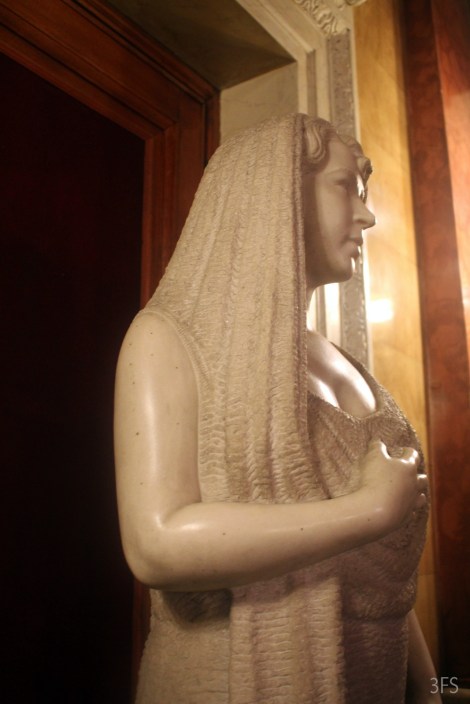
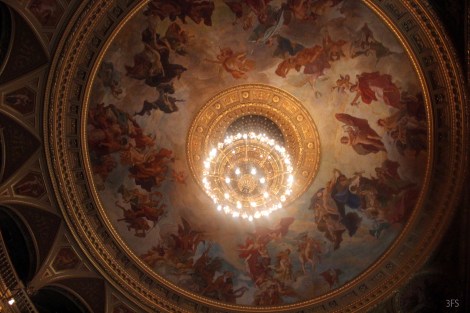
The main part though was the horseshoe shaped auditorium gilded in red and gold, with a massive bronze chandelier beaming Károly Lotz’s fresco, with an homage to the renaissance style. The story behind it was of Apollo playing a flute, with the graces, muses and even demons listening with frozen expressions.
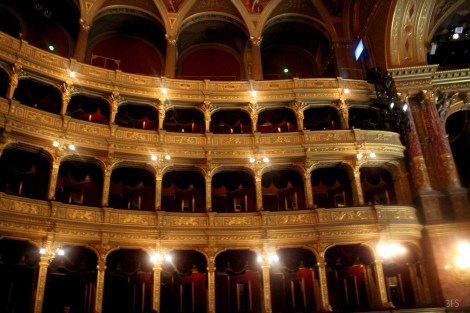


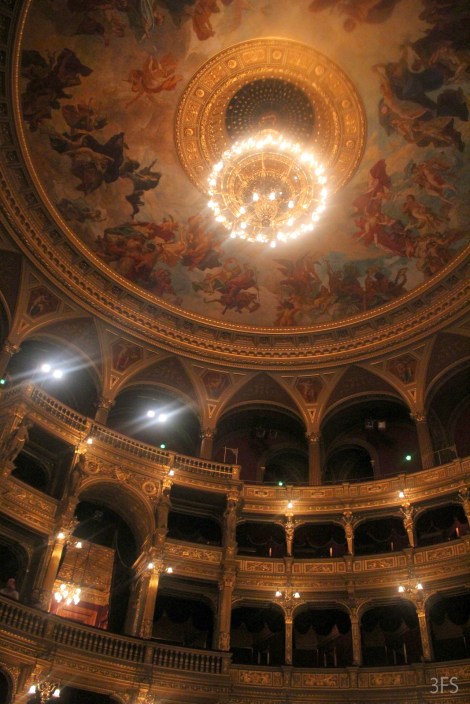


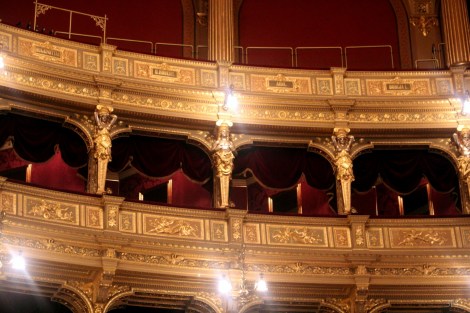
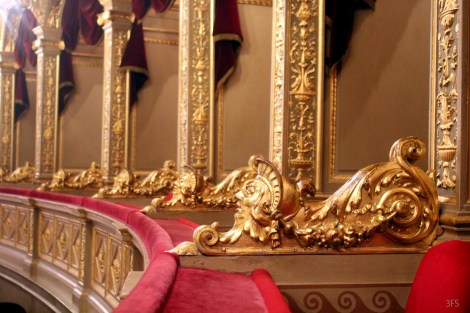


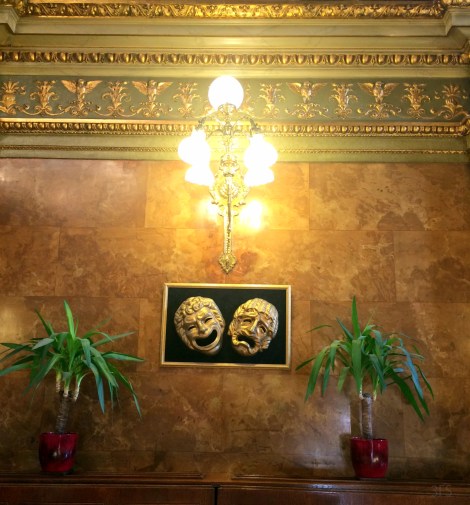
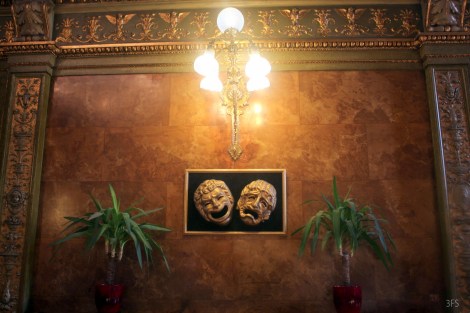
There were short escapes to the private boxes before we got to try illustrious, albeit private tokaj wine in the bar as a pre-show fiesta at the Festzy Bar. Between the glassware were paintings of iconic theatre in gleaming gold, alongside paintings of Dionysus’s birth and upbringing by György Vastagh.

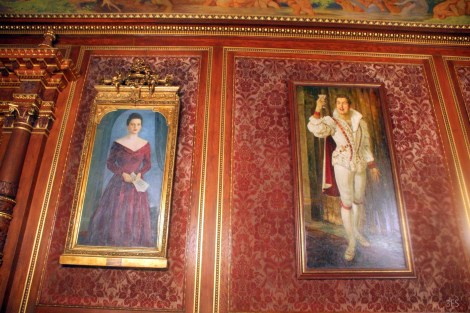


It was truly nostalgia, inspiration and substance all in one.

Almost as if in a dream sequence, I waltzed through the hallways and almost levitated off the air as I swung down the red carpets, perhaps, as always, to my own beat.


 3FS Lifestyle: Food Fashion Frameworks
Pingback: A Slice of Cake and Bohemian History in Budapest | 3FS Lifestyle: Food Fashion Frameworks·
Pingback: A Step into Magical History with Irresistible Charm at Ottantotto Firenze | 3FS Lifestyle: Food Fashion Frameworks·
Pingback: Polka Dotted Food Artistry with Southern Gastronomy | 3FS Lifestyle: Food Fashion Frameworks·
Pingback: Classic Scenography to Create a 125 Year Barbour Legacy at LFWM | 3FS Lifestyle: Food Fashion Frameworks·
Pingback: An Odyssey at Onyx: 12 Course Michelin Star Meal in Budapest | 3FS Lifestyle: Food Fashion Frameworks·
Pingback: Sunlit Rooftops of Rome: Michelin Succulence and Gladiatorial History | 3FS Lifestyle: Food Fashion Frameworks·
Pingback: Memories take us Back, Dreams take us Forward | 3FS Lifestyle: Food Fashion Frameworks·